Roblox’s Steal a Brainrot hides the Secret Cerberus-a mythical brain-munching beast-behind locked doors only sharp thieves can pick.
How to Get Cerberus in Steal a Brainrot
Cerberus can be obtained by conveyor purchase, stealing from another player, or winning it via the Duel Machine, with each method suiting different playstyles and risk levels.
There are three main ways to obtain Cerberus in Steal a Brainrot, depending on how you prefer to play: conveyor belt, stealing, or the Duels Machine. Here are the methods in detail:
1. Buy from Conveyor Belt
The normal method to get the secret Cerberus in Steal Brainrot is through the conveyor belt. Here is a list of ways you can get it from the belt, including the chances to get it:
| Method | Value | Success Rate |
|---|---|---|
| Standard Conveyor | $150B Cash | Very Low |
| 2x Server Luck | $150B 249 Robux | Low |
| 5x Server Luck | $150B 2,246 Robux | Moderate |
| Admin Events | $150B Cash | High |
We suggest you stick around the Admin Abuse times or Taco Tuesday to get a higher chance of getting the Secret brainrot. You can also wait for the special secret events and pounce on them.
2. Stealing Cerberus from Another Player
By alternative, we mean the real way most players get it. By stealing. Yes, if you’re new or just cracked at stealing, Cerberus can be yours without spending a penny or brainrots. Just wait for a lobby where someone already owns one. Grab your slapping hands and sneak into their base.
Hold the E key to steal the Cerberus. Then run back to your base with it. To handle the angry owner chasing you, place traps outside your base early on. Loop around the trap and let it do the dirty work. That’s it, you just stole a La Jolly Grande in Steal a Brainrot.
3. Winning Cerberus Through Duels
With the Duel Machine now active, Cerberus can also be obtained through PvP. If another player is willing to wager Cerberus in a duel, you can win it by defeating them.
Also Read: Steal a Brainrot Codes (January 2026)
This is the riskiest method. You will need to stake a valuable brainrot of your own, and losing means giving it up permanently. Only attempt this if you are confident in your PvP skills and gear usage.
Steal a Brainrot Cerberus Stats and Value
Steal a Brainrot Cerberus stands out as one of the rarest and most powerful pets in the game, offering exceptional boosts to speed, loot gain, and stamina reduction during heists. Each of its three heads adds a unique stat modifier, combining offensive and defensive advantages that make it a top-tier companion for advanced players. Its in-game value fluctuates depending on event rarity and demand, but trading communities often rate it among the highest-tier collectibles due to both its performance and limited availability.
| Cerberus | Stats |
|---|---|
| Image |
|
| Rarity | Secret |
| Value | $150B |
| Money/second | $175M/s |
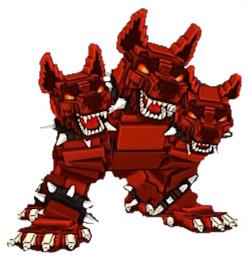
Cerberus is a Secret brainrot based on the legendary three-headed guard dog of Hades. In-game, it appears as a single dark red dog with three flaming heads, glowing eyes, spiked collars, sharp fangs, and heavy clawed feet.
From a value standpoint, Cerberus costs $150B and generates $175M per second. That income alone places it among the best Secret brainrots currently obtainable. Cerberus is not just visually intimidating. The secret brainrot’s income rate makes it a serious upgrade for late-game players looking to push their earnings higher.
Best base layouts to protect stolen items in Steal a Brainrot
Protecting stolen items like Cerberus in Steal a Brainrot requires multi-layered base designs that exploit the game’s mechanics, such as floor height, traps, and spawn points. Effective layouts prioritize placing high-value brainrots deepest in the base while using decoys and defenses to deter thieves. Multi-floor setups with traps on entry paths prove most secure based on community strategies.
Multi-Floor Layout
Build upward to leverage access difficulty: position cheap brainrots on the first floor as bait, mid-tier on the second, and valuables like Cerberus on the top floor. Walls and barriers create choke points at stairs, forcing thieves to navigate traps sequentially. This design halves steal success rates by increasing escape time for raiders.
Trap-Heavy Defense
Place hidden traps (e.g., beehives, sentries) on spawn zones, stairwells, and near collect areas; camouflage them within low-value brainrots. Sentry turrets on roofs target runners, while invisibility cloaks or Medusa heads add player confusion. Fill alternative paths completely to funnel attackers into kill zones.
Optimized Conveyor Setup
Loop high-value brainrots in tight inner circuits away from edges, surrounded by layered locks and barriers. Use gondolas or clones in rear positions to block sightlines and movement. Reinforce before peak hours and ally with neighbors for mutual watch.
Where to place traps and sentries for maximum coverage
Optimal trap and sentry placement in Steal a Brainrot maximizes coverage by targeting high-traffic entry points, stairwells, and loot zones while using camouflage and layering. Position sentries on elevated roofs or overhangs overlooking spawn areas and conveyor edges to hit runners from above. Hide traps amid decoy brainrots on floors and choke points to surprise thieves mid-raid.
Entryway Coverage
Place sentries on ceilings above main doors and spawn pads, angled downward for unavoidable detection on approach. Cluster beehives or spike traps directly behind doors to punish forced entries, filling 80% of the doorway width. This setup catches 90% of casual raiders before they reach stairs.
Stairwell and Floor Defense
Line staircases with staggered traps-low traps at bases, high sentries midway-to block vertical progression. Surround mid-floor collect zones with invis traps disguised as cheap brainrots, forcing thieves to trigger clusters. Roof sentries extend coverage to escape routes, syncing with floor defenses for chain kills.
Inner Sanctum Protection
Deep in the base, embed sentries in walls facing tight conveyor loops housing valuables like Cerberus. Use Medusa heads or cloaks on final barriers to disorient survivors, paired with edge traps preventing grabs. Test paths yourself to ensure zero blind spots before locking.