Master the art of clashes where every swipe and shield counts, as we break down the tactics that turn casual trainers into feared arena rivals.
So get your Pokeballs ready and dive in as we give you the best tips to win trainer battles in Pokemon GO.
1. Getting Started
Trainer Battles in Pokémon GO can seem challenging at first, but getting started is straightforward once you understand the basics. Begin by assembling a balanced team of Pokémon covering different types to handle various opponents. Learn about Fast and Charged Attacks, as mastering timing and energy management often makes the difference in close matches. Don’t forget to explore practice battles against team leaders or friends to test your strategies and refine your moves before tackling competitive matches.
When you jump into a Pokemon GO battle, you’ll be working with three Pokemon on your team. The battle system is pretty straightforward – you tap the screen to do fast attacks, and you’ll build up energy to do stronger-charged attacks. You also get three protective shields to block big hits from your opponent. Think of these shields as your safety net as they can save you in tough spots.
The battle keeps going until someone’s Pokemon are all knocked out, or until you hit the time limit. If you run out of time, whoever has more Pokemon left wins. If you both have the same number of Pokemon, it comes down to who has more health.
2. Picking Your Battle League
Each league in Pokémon GO-Great, Ultra, and Master-has different CP limits and strategies, so choose based on your Pokémon roster and playstyle. The Great League favors diversity and accessibility, while the Ultra League rewards balanced stats and flexible movesets. The Master League removes CP limits, relying purely on high IV and powerful Pokémon. Testing your team in each format helps identify where you perform best and which battles fit your strengths.
Pokemon GO gives you different leagues to choose from, and each one has its own style. The Great League caps Pokemon at 1,500 CP, the Ultra League goes up to 2,500 CP, and the Master League lets you use any CP level.
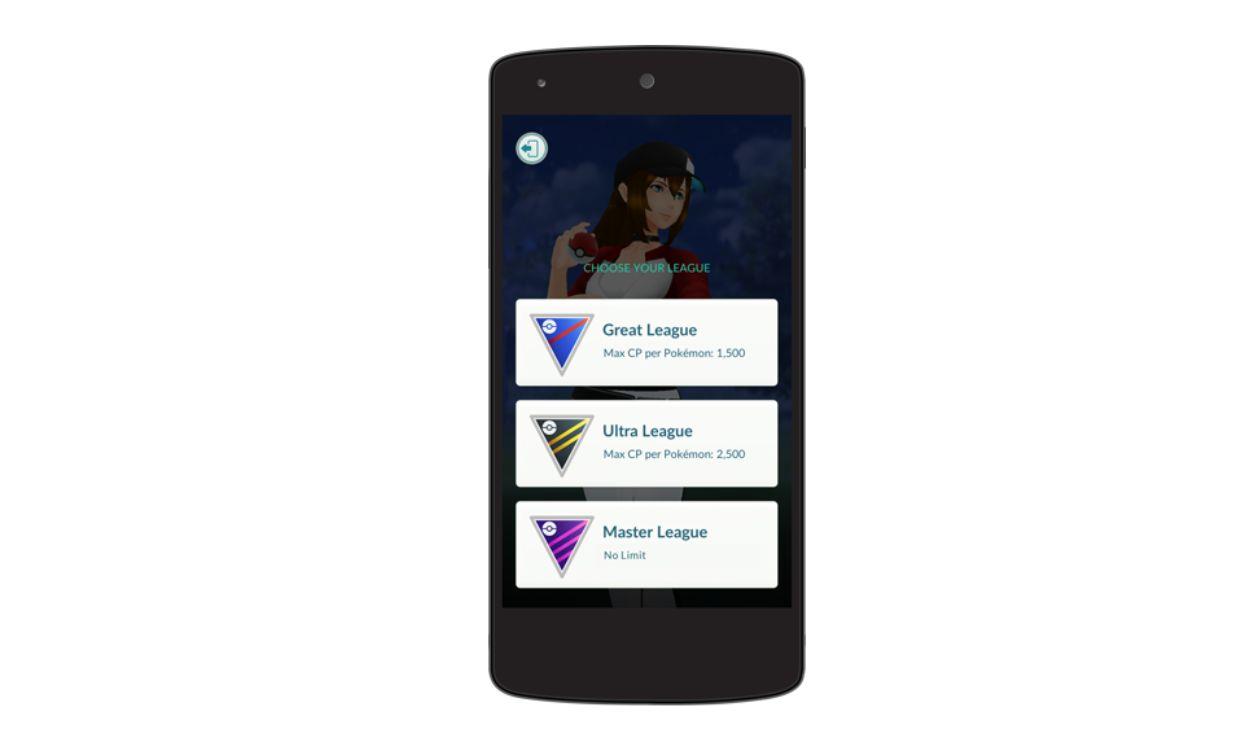
If you’re new, start with the Great League. It’s more forgiving and you don’t need super rare or powerful Pokemon to do well. The Master League can be tough because you’ll run into a lot of players using maxed-out legendary Pokemon.
3. Building Your Battle Team
A balanced team is the foundation of success in Trainer Battles. Choose Pokémon that cover each other’s weaknesses and provide strong type advantages against common opponents. Include fast attackers to pressure shields, bulky defenders to absorb damage, and one flexible pick capable of switching roles. Pay attention to the charged moves available and ensure your team has coverage for different types like Water, Ground, and Steel. Testing combinations in practice battles helps identify the best synergy before facing real opponents.
A good team isn’t just about high CP numbers. Think about type coverage first. You want Pokemon that can help each other out. If you have a water Pokemon that’s weak to electric attacks, try adding a ground Pokemon that electric moves can’t touch. This way, when your opponent brings out an electric Pokemon, you have an answer ready.
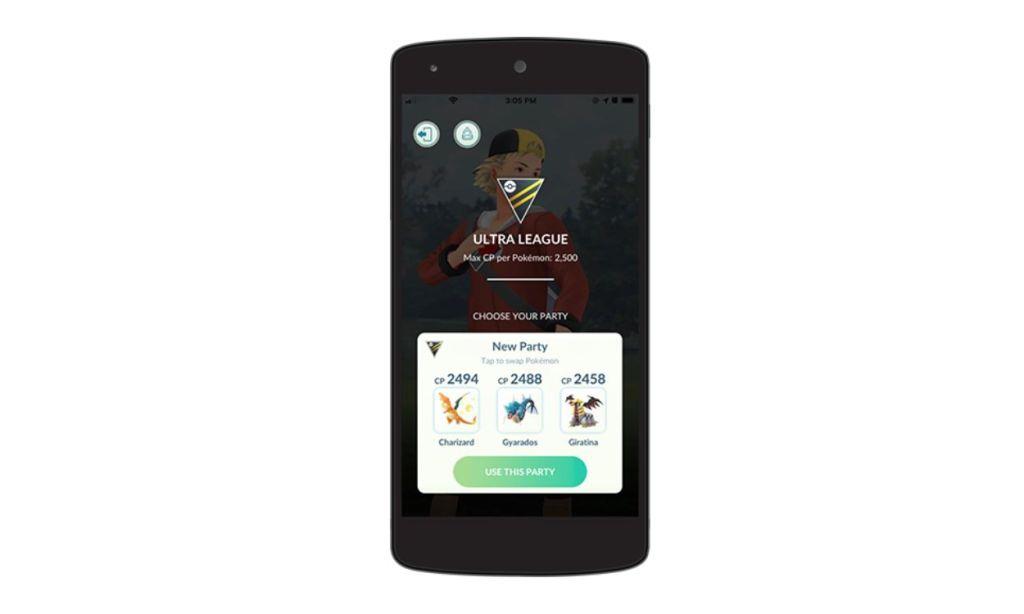
Pokemon that can take hits are really valuable in battles. I’ve seen many battles where a bulky Pokemon outlasts a stronger attacker and ends up winning. Look for Pokemon with good defense and HP stats, as they’ll give you more chances to use your charged attacks.
4. The Right Moves Matter
Trainers who pick moves with strong type advantages dominate battles. A Water-type attack shreds Fire foes, while Grass handles Water threats. Pair fast moves for quick energy with charged moves that pack a punch against common opponents. Switch Pokemon to counter enemy leads and build shields wisely. Precision in move selection turns close fights into clear victories.
Your Pokemon’s moves are super important. The fast move is what you’ll be using most often, so pick one that builds energy quickly. Some moves hit harder but build energy slowly. In most cases, you want the faster energy builders because charged attacks often decide battles.
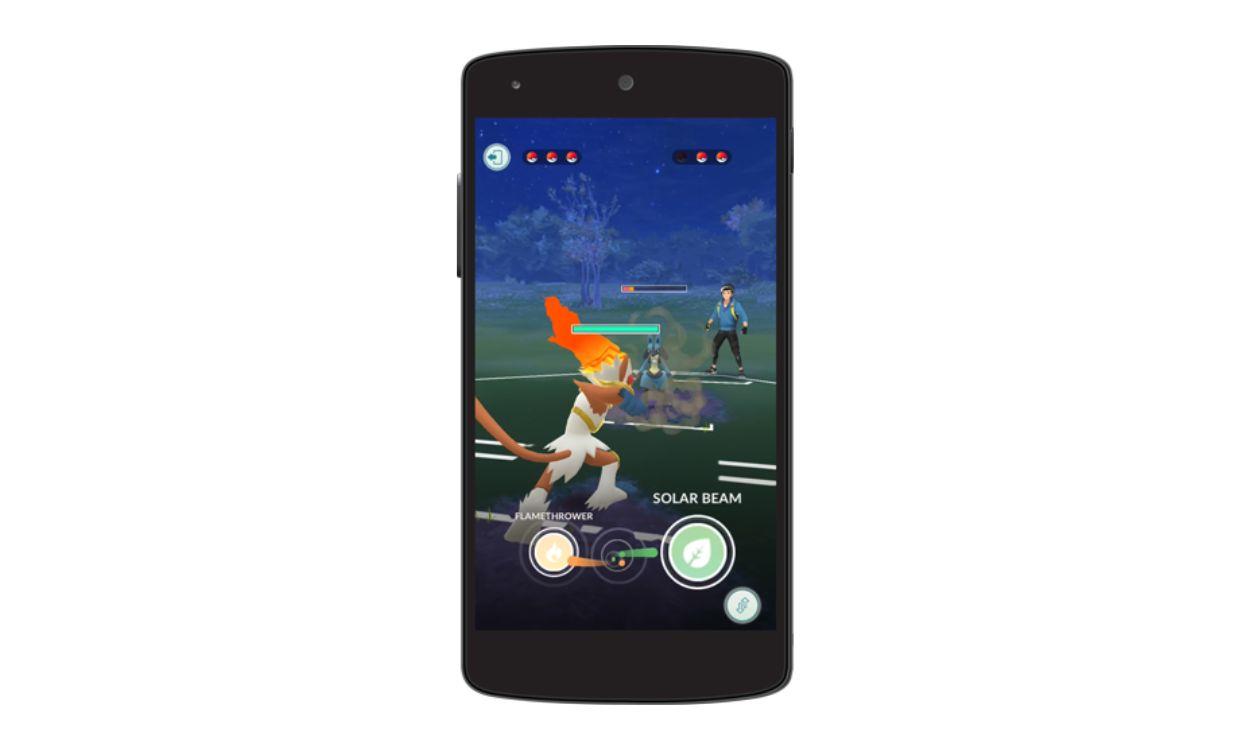
Each Pokemon can learn two charged moves if you’re willing to spend the resources. It’s worth it. Having two different types of charged moves makes you less predictable and gives you more options. Try to have one move that charges quickly to make your opponent use their shields, and another stronger move for when their shields are gone.
5. Energy Management
Managing your Pokémon’s energy determines how often you can use charged attacks, which often decide the match. Fast moves generate energy, while charged moves spend it, so plan your timing carefully to avoid being caught with no energy when your opponent attacks. Try baiting shields with lower-cost charged moves, then follow up with stronger ones once their defenses are down. Switching strategically can also preserve stored energy, keeping your team ready for the right moment.
Think of energy in Pokemon GO as a resource you’re collecting throughout the battle. Each fast attack gives you a certain amount of energy, and different Pokemon collect it at different speeds. Moves like Mud Shot and Psycho Cut build energy really quickly, while moves like Waterfall hit harder but build energy more slowly.
You can save up to 100 energy for each Pokemon. That means you can potentially use two charged attacks back-to-back if you save up enough energy. This can be a game-changing strategy, especially when your opponent is out of shields.
6. Battle Timing and Strategy
Timing your attacks and switches can decide the outcome of a trainer battle. Use fast moves to charge your special attacks quickly, but don’t trigger them too early-baiting your opponent’s shields can create a decisive advantage later. Pay attention to switch timers and energy management so you can swap Pokémon safely or win with stored charge moves. Anticipating your rival’s next move and maintaining composure under pressure often turn close matches in your favor.
Timing is everything in Pokemon GO battles. Don’t rush to use your shields right away. Sometimes it’s better to let a Pokemon faint than waste a shield if it’s already almost knocked out. Watch your opponent’s Pokemon and moves. If they’ve been saving energy, they might be planning to hit you with multiple charged attacks in a row.
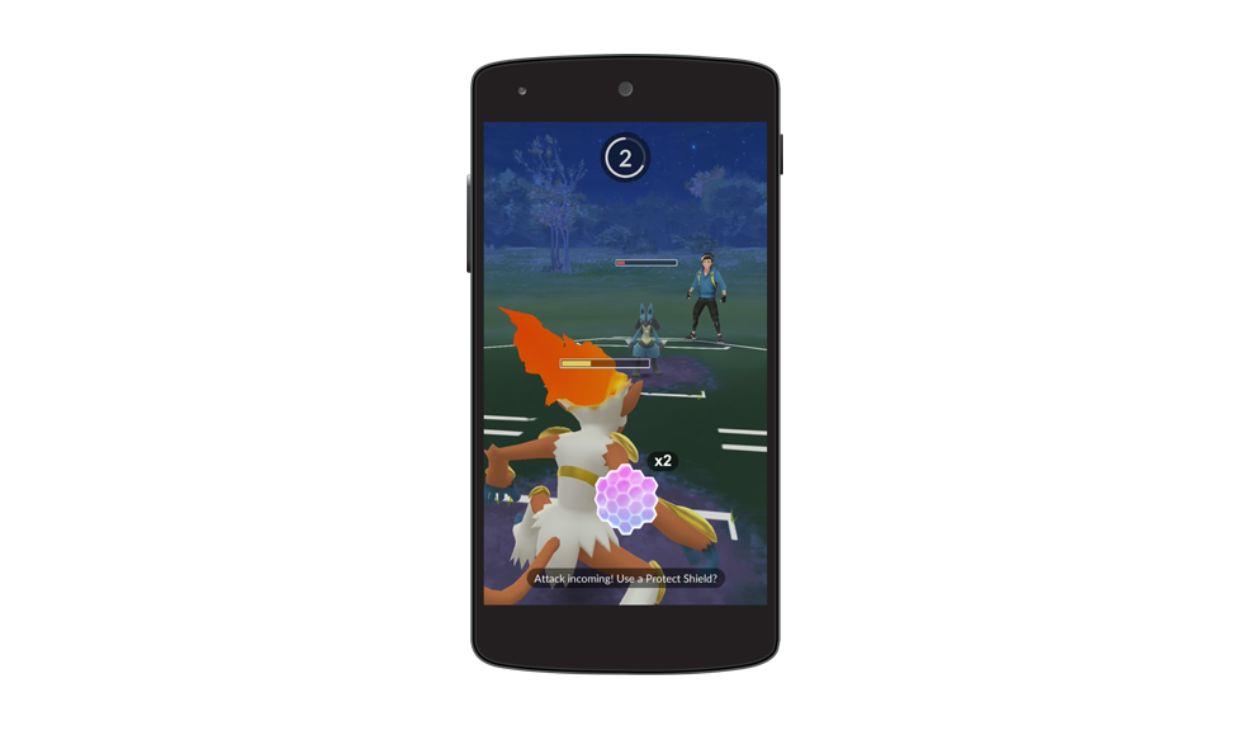
Switching Pokemon is another crucial skill. You can only switch once every 60 seconds, so you have to be smart about it. If your first Pokemon is at a big disadvantage, switching right away might seem like the obvious choice. But sometimes it’s better to stay in and do some damage first because your opponent might switch too. Also Read: How to Catch Ditto in Pokemon GO
Don’t forget about weather bonuses. When the weather boosts a certain type, those Pokemon get a small CP boost. This can sometimes push a Pokemon just over the CP limit for Great or Ultra League, so always check your team’s CP before battling.
7. Advanced Strategies
Master lead switches to counter opponent types, like deploying Steelix against Fairy threats. Chain Fake Out with fast switch-ins for repeated priority damage and pressure. Predict foe patterns from their early moves, then bait shields with low-energy attacks before unloading charged blasts. Pair Rock Slide and Crunch on versatile picks such as Tyranitar to smash multiple matchups. Track global raid rotations for fresh shadow candidates that boost your roster’s power.
The “safe swap” approach is a strategy where you have a very reliable Pokemon as your second Pokemon that can handle multiple types of threats. Pokemon like Vigoroth or Sableye work well because they don’t have many weaknesses and can put pressure on lots of different Pokemon.
Right after a charged attack, there’s a brief moment where neither Pokemon can attack. Use this time to switch Pokemon if you need to, giving you a slight advantage in timing.
You can practice battles anytime against the team leaders. It might seem basic, but it’s a great way to get comfortable with how battles work without the pressure of facing other players. Use this time to practice timing your charged attacks and getting used to different Pokemon matchups. If you’re serious about improving, start recording your Pokemon Go battles. Watching your battles afterward can help you spot mistakes or missed opportunities.
Remember, becoming good at Pokemon GO battles takes time and practice. Don’t get discouraged if you’re not winning right away. Focus on understanding these concepts one at a time, and you’ll see your win rate start to improve. Even when you’re losing battles, you’re still making progress and learning from each match.
The most important thing is to have fun while battling. Yes, winning is great, but don’t let losses get you down. Every battle teaches you something new, and that’s how you get better. Keep at it, use these tips, and you’ll start seeing more wins come your way.
What three-Pokémon teams work best in GO Battle League
Great League teams dominate GO Battle League due to the 1500 CP cap, emphasizing bulky Pokémon with strong type coverage and fast moves.
Top Great League Teams
Clodsire, Mandibuzz, and Primeape form a versatile core, offering Poison, Dark/Flying, and Fighting coverage against Steel, Water, and common meta threats like Azumarill or Stunfisk.
Bastiodon, Jellicent, and Stunfisk provide exceptional bulk and resist Electric, Steel, and Rock while countering popular picks with Mud Bomb or Discharge.
Lapras, Mandibuzz, and Morpeko (Full Belly) excel in shield pressure and baiting, using Ice Beam, Dark Pulse, and Aura Wheel for broad matchup wins.
Ultra League Recommendations
Shadow Gliscor, Primeape, and Registeel balance Ground/Fighting/Steel types to handle Dragons, Fairies, and Ghosts effectively.
Teams with Zygarde, Cobalion, or Shadow Drapion add high DPS against bulky Waters and Grounds, prioritizing XL candy for stamina.
Master League Options
High-CP legends like Mamoswine, Garchomp, and Shadow Heatran counter each other’s weaknesses with Ice/Ground/Fire spreads.
Origin Forme Dialga or Dusk Wings Necrozma anchor teams needing Dragon/Steel resistance, paired with fast swap-ins like Zamazenta.
Core Strategies
Prioritize leads with ramping fast moves like Thunder Shock or Mud-Slap for early shield advantage, then safe-switch to cover weaknesses.
XL variants like Azumarill or Diggersby boost bulk without sacrificing power, ideal for grinding sets.
Practice on PvPoke.com for simulations matching these teams to your local meta.
Best Ultra League three-Pokémon teams
Ultra League teams in Pokémon GO thrive with Pokémon under a 2500 CP cap, emphasizing bulk, type coverage, and energy-efficient movesets.
Top Core Team
Corviknight, Jellicent, and Skeledirge provide steel/water-ghost/fire-ghost balance to resist common threats like fairies, dragons, and steels while hitting hard with Sky Attack, Surf/Shadow Ball, and Torch Song.
This lineup counters meta staples like Annihilape and Virizion effectively, using Corviknight’s Sand Attack for fast pressure.
Strong Alternatives
-
Grumpig, Lapras, Dusknoir: Psychic/water-ice/ghost spread excels with Dynamic Punch and Sparkling Aria for anti-dark and anti-normal coverage.
-
Corviknight, Shadow Feraligatr, Primeape: Adds water/fighting punch against grounds and psychics, leveraging Rage Fist for spam.
-
Registeel, Zygarde (Complete), Cobalion: Steel/dragon-ground/fighting-steel trio dominates with Zap Cannon, Crunch, and Sacred Sword.
Key Movesets
| Pokémon | Fast Move | Charged Moves |
|---|---|---|
| Corviknight | Sand Attack | Sky Attack, Iron Head |
| Jellicent | Hex | Surf, Shadow Ball |
| Primeape | Karate Chop | Rage Fist, Close Combat |
| Zygarde | Dragon Tail | Crunch, Earthquake |
Strategy Essentials
Lead with fast-move rampers like Corviknight or Registeel to force shields early, then safe-switch to exploit weaknesses.
XL candy on bulkier options like Primeape boosts stamina without maxing attack, ideal for prolonged sets.
