Hidden among feathered silhouettes lies a whisper of color and chaos-the full flock of Minecraft chicken variants, each one a clue to the biomes you’ve yet to explore.
Keep reading to learn about all chicken variants in Minecraft and where to find them!
Note: This feature is currently in its beta testing phase and is playable only in Minecraft Snapshot 25W06A. We will update this page as soon as Mojang releases it in the stable version.
All Minecraft Chicken Variants
Chickens come in a variety of forms across biomes, from standard farmyard hens to colorful variants like the woolly, speckled, and extra-spicy breeds, each with distinct appearances and rare color patterns that appear under specific environmental conditions or when breeding with certain mobs.
You must be quite excited to check out the cool new features of the new snapshot in Minecraft, but hold your horses for now. Make sure that you are carrying enough wheat, beetroot, or pumpkin seeds in order to lure the chickens towards you.
These seeds can also be used to breed the chickens in the game. Moreover, like pigs and cows, breeding two different chicken variants will make the baby inherit any random form from its parents. Now, let’s check out all Minecraft biomes where you can locate the new chickens:
1. Warm Chicken
One of the new feathery additions to the game is the Warm Chickens. Being toasty brown in color, they surely bring a bit of heat to the warm sandy biomes where they spawn.
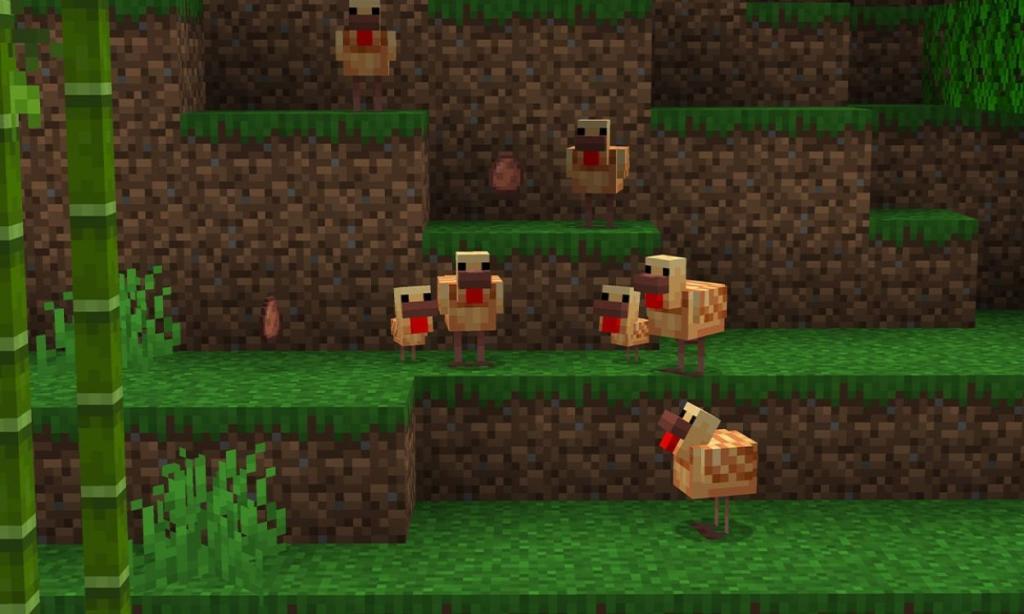
Moreover, you will find out in a short while that these chickens like to drop eggs of a similar earthy hue as well. While roaming in packs, they might have some seemingly clueless expressions, but you never know what mischief they are up to in the game. That said, you will find these variants in the following biomes:
- Savanna
- Savanna Plateau
- Windswept Savanna
- Jungle
- Sparse Jungle
- Bamboo Jungle
- Eroded Badlands
- Wooded Badlands
- Badlands
2. Cold Chicken
Coming second on our list are the Cold Chickens, which bring a frosty twist to the game’s poultry population. With their bluish gray feathers, they effortlessly blend with the Taiga environment.
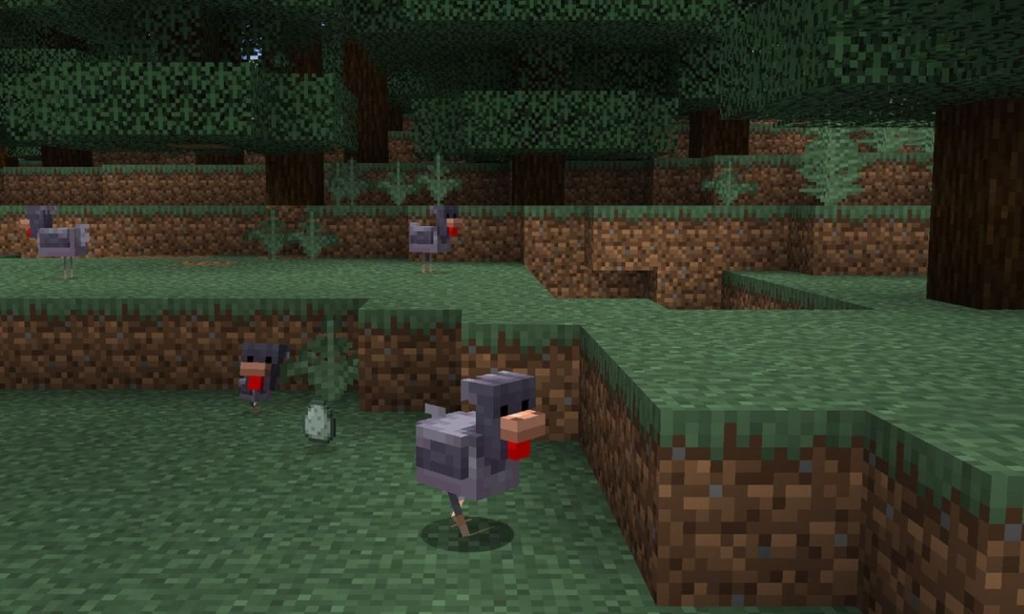
Spending enough time with these chicks will soon let you know about the blue-colored eggs they lay. However, don’t let these cold exteriors fool you since these are equally notorious as their warmer counterparts. So, if you want to check out these cool new chickens and their blue eggs, make sure to visit the following biomes Minecraft:
- Old Growth Pine Taiga
- Old Growth Spruce Taiga
- Taiga
- Snowy Taiga
- Windswept Hills
- Windswept Gravely Hill
- Windswept Forest
3. Temperate Chicken
Finally, we have the classic long-standing poultry of Minecraft, the original ones whose name got recently updated to Temperate Chickens in the latest Minecraft Snapshot 25W06A. They are easily recognised from their white feathers, yellow beaks and red wattles.
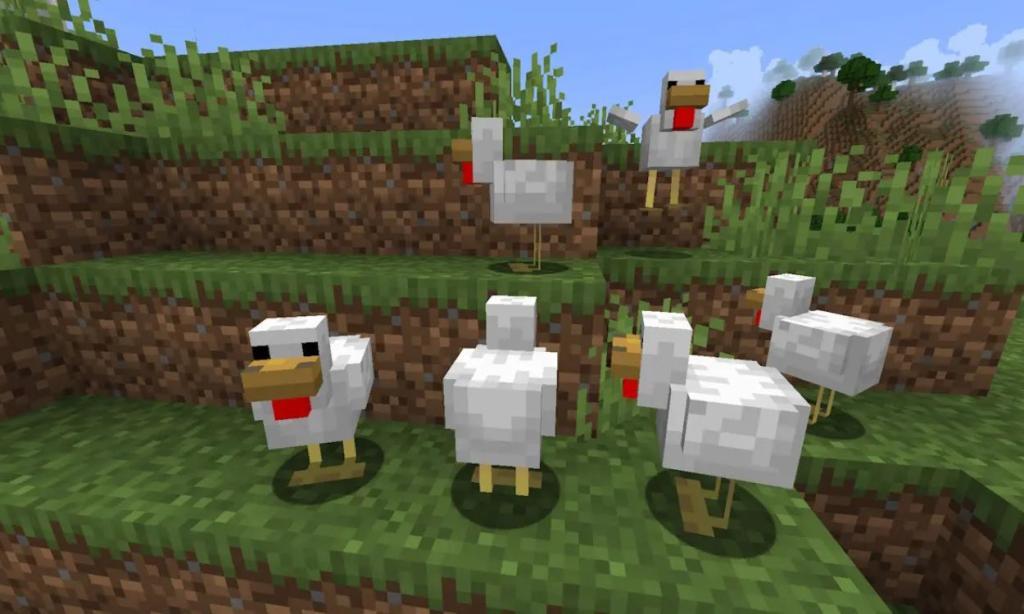
You will find them in all other regions except those mentioned above, usually in milder climates. They will lay white eggs and drop raw chicken and weathers once you harvest them. That said, these are the biomes where you can locate the temperate chickens:
- Forest
- Flower Forest
- Birch Forest
- Old Growth Birch Forest
- Dark Forest
- Swamp
How to breed different chicken variants together
Different chicken variants can breed with each other exactly like normal chickens: feed any two adult chickens with seeds, and the baby will randomly be one of the parents’ variants.
Basic breeding steps
-
Hold any seeds (wheat, beetroot, pumpkin, or torchflower) and right-click/tap on two adult chickens of any variants (Warm, Cold, Temperate).
-
Hearts will appear and they will produce one chick after a few seconds, sharing the same breeding cooldown as normal chickens.
How variant inheritance works
-
The chick’s variant is chosen randomly from the two parents, so a Warm + Cold pair can give either a Warm or a Cold chick.
-
There is currently no special “hybrid look”; you only ever get one of the existing variants, so you must keep breeding until you get the one you want in the biome where the parents are kept.
Tips for mixing variants
-
Pen different variants together near your base so you do not need to revisit distant biomes every time you want more special chickens.
-
If you want to “convert” your flock, keep breeding with at least one parent of the target variant each time (for example, always use at least one Warm Chicken) so over time more of the babies inherit that variant.
What are common problems with hybrid chicken offspring
Hybrid chicken offspring can have more health, fertility, and longevity issues than well-bred pure lines, especially when they come from intensive production hybrids or poorly planned crosses.
Health and lifespan issues
-
Hybrid layers and meat birds are often bred for extreme output (fast growth or very high laying), which is linked to leg problems, heart strain, ascites, and earlier death compared with many pure breeds.
-
Some poultry hybrids in general show reduced fitness and shorter lives, with problems like arthritis, heart issues, and overall weakness.
Structural and growth problems
-
Fast-growing hybrids are prone to leg deformities (for example, splay leg) and joint issues because the skeleton struggles to support rapid weight gain.
-
Poor body structure and feather quality can appear in certain crosses (such as “frazzle” birds from two frizzle parents), leading to feather breakage, poor weather protection, and higher stress on the heart.
Fertility and hatch problems
-
Some hybrid or interspecies crosses have low fertility and hatch rates, with many embryos dying before hatching or showing arrested development and malformations.
-
Certain genes in specific lines can be lethal in double dose, which means some chicks from particular pairings never hatch or die early.
Behaviour and management drawbacks
-
Commercial-type hybrids often lack good foraging and predator-avoidance instincts, so they depend heavily on humans for feed and protection.
-
They can have bigger appetites, need tighter feed management, and may be more prone to disease, so ongoing care and vet costs can be higher than with many traditional pure breeds.
Practical takeaway for hobby breeders
-
For a small or backyard flock, many keepers prefer hardy pure breeds or well-known utility crosses instead of trying to repeat complex commercial hybrids.
-
If you do experiment with crosses, avoid known risky combinations (for example, two frizzles, or lines with lethal traits) and keep careful notes on health, growth, and hatchability in the offspring.
