Fortnite exploded onto screens in 2017, igniting a battle royale frenzy that reshaped gaming forever.
With the game now being in Chapter 7 Season 1, it can be quite humbling to look at what the game initially started as. Come with us as we take a trip down memory lane and explore Fortnite’s release date all those years ago, along with how its Save The World mode played a huge role in the game’s development.
When Did Fortnite Come Out? Release Date
Fortnite was first released on July 25, 2017, by Epic Games as a cooperative survival game called Fortnite: Save the World. The free-to-play Battle Royale mode followed shortly after, on September 26, 2017, drawing millions of players worldwide within weeks. Over time, Fortnite grew into a cultural phenomenon, constantly updated with new content, events, and creative tools that expanded its appeal beyond traditional gaming audiences.
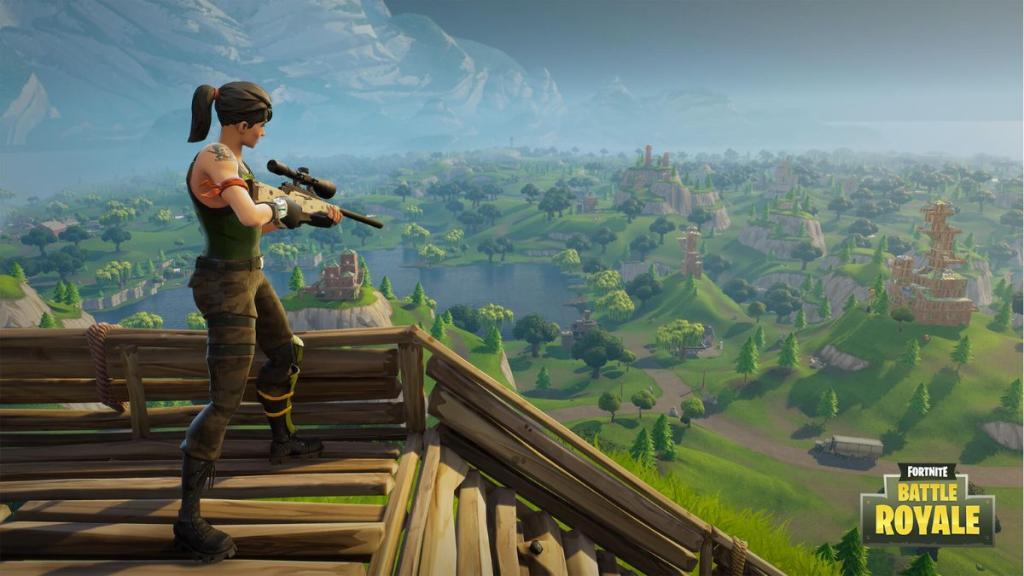
Fortnite Battle Royale was officially released to players on September 26, 2017. However, the story behind the game began earlier than its release date. In early September 2017, Epic Games announced the Battle Royale mode and made it available in a limited beta phase. On September 26, Fortnite came out on PC, Xbox One, and PlayStation 4.
What’s interesting about the Fortnite Battle Royale release date is that development for the mode only lasted 2 months. Epic Games utilised the team for Unreal Tournament, another iconic series in the developer’s catalogue, to speed up the mode’s development. This proved beneficial as Fortnite Battle Royale took the world by storm when it first came out, with the player count climbing to this day. Apart from the Unreal Tournament team, Epic Games also had the Save the World mode, which played a big role in Battle Royale’s development.
Fortnite Release Date for Save the World
Fortnite released Save the World as a paid co-op PvE mode on July 25, 2017, initially as a separate product before gradually integrating into the broader Fortnite experience.
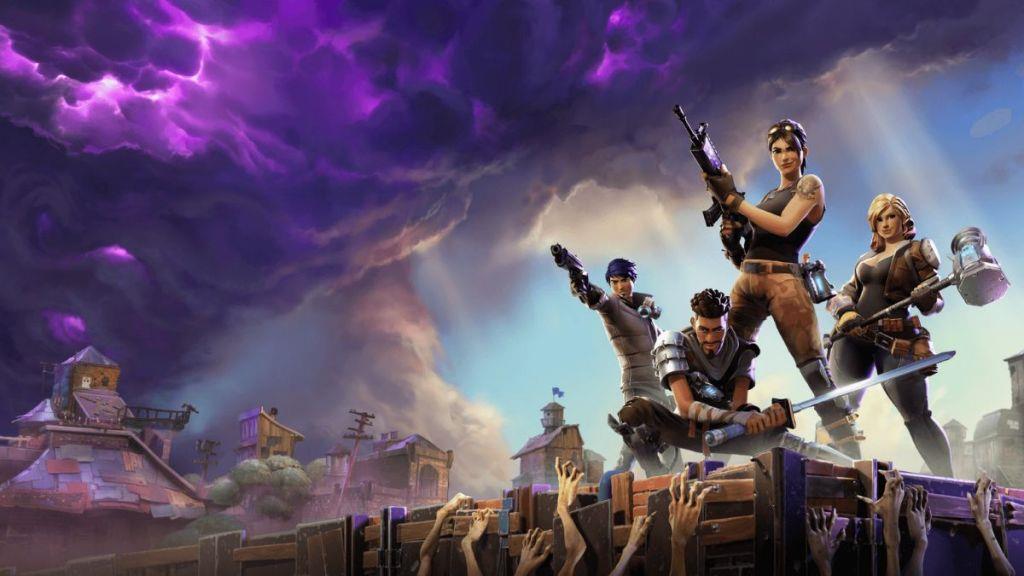
Before Battle Royale became the global phenomenon it is today, Fortnite Save The World launched on July 25, 2017, as an early access title. Save the World was initially positioned to be the primary Fortnite experience when it first came out. However, unlike the free Battle Royale mode, Save the World was a paid mode. It was only available to players who purchased Founder’s Packs, which could range from$39.99 to $149.99. The mode even allowed players to earn V-Bucks through daily quests.
Save the World was supposed to be an ambitious co-op PvE experience, with the mode featuring squads of upto four players defending their bases from zombie-like enemies called Husks. The mode allowed players to build forts, manage resources, and engage in tactical combat. The mode even had a planned free-to-play release set for 2018.
However, Epic Games’ priorities shifted significantly when the release date for Fortnite Battle Royale came around. The mode saw unprecedented success, leading Epic Games to eventually abandon its plans for a free-to-play Save the World mode. The developers have since shifted focus to introducing modes like Creative, Rocket Racing, Fortnite Festival, and much more to further develop the game’s live-service model.
How Old is Fortnite Battle Royale Mode?
Fortnite Battle Royale mode launched on September 26, 2017, as a free-to-play addition to the original Fortnite: Save the World. This pivotal update drew millions with its 100-player last-one-standing matches and building mechanics. As of 2026, it marks over eight years of continuous seasons, collaborations, and map shifts that keep players returning.
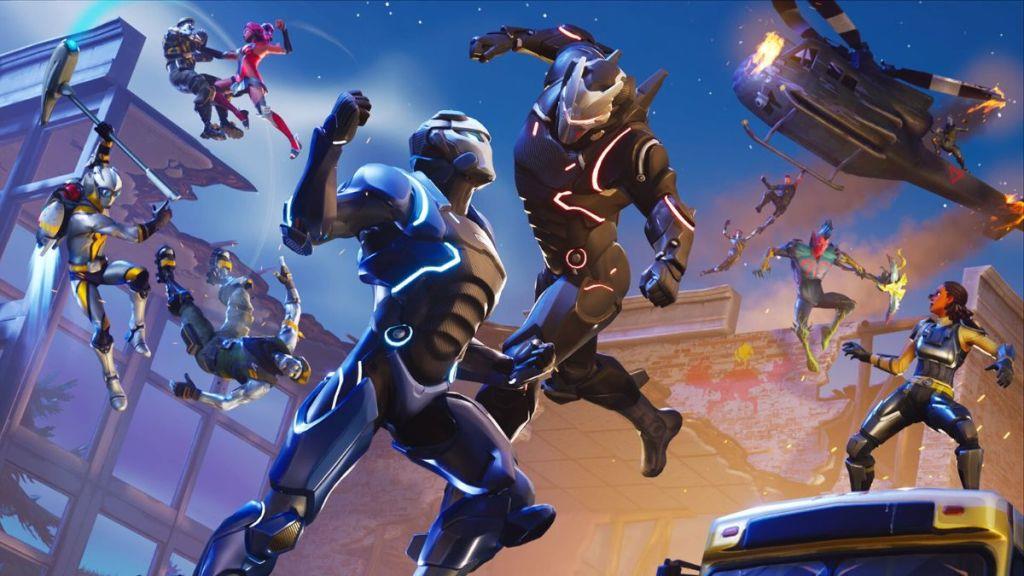
As of January 2026, Fortnite Battle Royale is over 8 years old. The game has showcased longevity that is rarely seen in live-service games, especially in the Battle Royale genre. When Fortnite first came out, the Battle Royale genre was dominated by titles like PlayerUnknown’s Battlegrounds. However, Fortnite Battle Royale not only survived past its initial release date but thrived with each new update. Even with the release of newer titles like Battlefield 6, Fortnite has maintained a strong playerbase, despite its age.
Since Fortnite first came out, the game has undergone tremendous changes throughout its many seasons. The version released in 2018 looks drastically different from what we have now. Technological improvements with the release of new versions of the Unreal Engine have not only improved the game’s graphical fidelity over the years but also helped in improving gameplay.
When did Fortnite Come Out on Mobile?
Fortnite arrived on mobile devices with its iOS launch in March 2018, quickly expanding to Android in August that year after a brief beta period. Epic Games offered the battle royale title as a free download, matching its console and PC versions with full cross-platform play. The mobile edition peaked at millions of daily users before Apple’s 2020 restrictions led to its removal from the App Store, though it remains playable via sideloading or the Epic Games Store on certain devices.
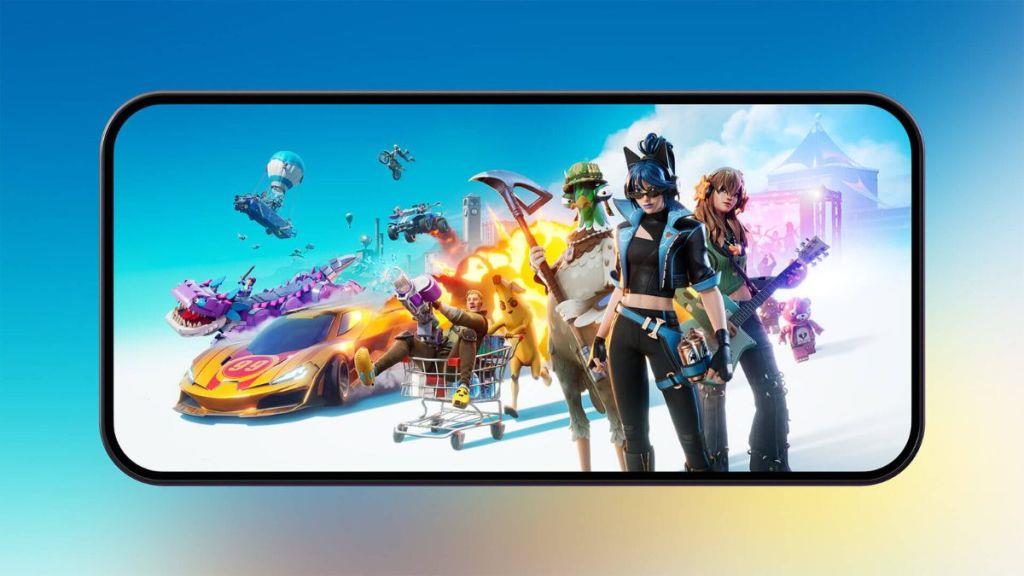
Fortnite’s release date, alongside its entire journey on mobile platforms, has been varied and complex. Different platforms received the title at different times, with some even coming with special offers.
Fortnite Release Date on iOS
The iOS version of Fortnite initially came out as a limited beta on March 23, 2018. At that point, only select invite holders could play the game on their iOS devices. The game saw a full release on iOS devices on April 2, 2018, with the launch instantly making Fortnite one of the most popular games to release on Apple devices. While the game did require specific hardware capabilities on launch, it marked a significant moment for mobile gaming as it proved that console-quality titles could have a place on mobile devices.
However, the game was removed from the Apple App Store on August 13, 2020, stemming from legal disputes between Apple and Epic Games. The title has since made its return to the U.S. App Store, allowing players to enjoy the Battle Royale phenomenon once again.
Fortnite Release Date on Android
Fortnite’s release on Android devices was a bit confusing and gradual. While Epic Games announced the Android beta for the game on August 9, 2018, Fortnite was only available to select Samsung Galaxy device owners. Eventually, Epic Games began sending out invites to other Android users starting on August 13, 2018.
However, it wasn’t until October 11, 2018, that Fortnite came out for all Android users, with players no longer needing an invite to play the game. Fortnite was only available through the Epic Games website and Samsung’s Game Launcher when it first released. Epic Games decided to put Fortnite on the Google Play Store in 2020, after the storefront saw a plethora of malware-ridden Fortnite clones.
While Fortnite has grown into a completely different game from the survival PvE shooter Epic Games envisioned it to be, the game has been a success like no other. As Epic Games gears up with new content and collaborations in 2026, players will undoubtedly be waiting to see what’s next for Fortnite.
What were Fortnite’s major updates by year
Fortnite has seen major updates organized around chapters and seasons since its 2017 launch, with Epic Games introducing new maps, weapons, mechanics, and events annually.
2017-2018 (Chapter 1 Seasons 1-5)
Early years focused on Battle Royale’s rise, adding core items like shield potions, campfires, impulse grenades, and vehicles such as the ATK. Season 3 introduced bi-weekly content updates and vending machines; Season 5 brought SMGs, Heavy Sniper, and Rift-To-Go for mobility. Battle Royale went public on September 26, 2017.
2019-2020 (Chapter 1 Seasons 6-X, Chapter 2)
Season X featured B.R.U.T.E. mechs, missions, and DC Comics crossovers like Gotham City. Chapter 2 overhauled the map with swimming, boats, new POIs, and a revamped Battle Pass.
2021-2022 (Chapter 3)
Introduced side-hopping, sliding, and major events like the black hole between Chapters 1 and 2. Fortnitemares added Howler Claws and Horde Rush; Chapter 4 Season 1 brought Unreal Engine 5 upgrades, Reality Augments, and Hurdling.
2023-2025 (Chapter 4-6)
Chapter 4 added medallions, new weapons like Hammer Pump Shotgun, and Cybertron Cannon. Chapter 5 featured Weapon Mods, Boons in Chapter 6, and ongoing seasonal loot pool overhauls. Recent updates include Reload and OG modes in 2024.
Major Fortnite changes by year in a timeline format
Fortnite’s major changes unfolded through chapters, seasons, and live events since 2017, reshaping gameplay, maps, and mechanics yearly.
2017-2018 Timeline
-
July 2017: Save the World early access launches as paid PvE mode.
-
Sept 26, 2017: Free Battle Royale debuts on PC, PS4, Xbox; introduces 100-player survival and building.
-
Dec 2017: Season 1 starts; Season 2 adds Battle Pass and Tilted Towers.
2019-2020 Timeline
-
: Seasons 7-10 bring ziplines, mechs, B.R.U.T.E., volcano eruptions, Zero Point events; Season X ends with black hole implosion.
-
Oct 2019: Chapter 2 revamps map with water, new POIs, swimming, boats.
2021-2023 Timeline
-
Dec 2021: Chapter 3 adds side-hopping, sliding; black hole event transitions chapters.
-
Dec 2022: Chapter 4 launches with Unreal Engine 5, mobile support ends, Reality Augments.
2024-2026 Timeline
-
Nov 2023: Chapter 5 introduces Weapon Mods, new biomes.
-
: Reload/OG modes return; major crossovers, live events continue.
-
2025-2026: Chapter 6 adds Boons, ongoing seasonal loot rotations; winter events like Ice King return in OG.
