Wildflowers are quietly transforming Minecraft’s terrain with color and purpose. From rare petals found in specific biomes to hidden crafting recipes and experimental beta features, these blooms offer more than decoration-they hint at Mojang’s next wave of creative design.
Moreover, they do not have a distinctively long stem like the Tulips, Daisies, and other flowers in the game. If you are curious about the Wildflowers and how you can get them, then, Jump right in.
Note: This feature is currently in its beta testing phase and playable only in Minecraft Snapshot 25W02A. We will update this page as soon as Mojang releases this feature in the stable version.
How to Get Wildflowers in Minecraft
Wildflowers appear on grass, dirt, or moss blocks in plains, forests, meadows, and cherry grove biomes after generating a chunk. Bone meal a grass block to spawn them randomly, or use a scattered bone meal item on grass for a chance at flowers. Shear them with scissors to collect, or break the block by hand-they drop instantly without tools. In flower forests, they generate densely on the ground. During beta testing, Mojang added wildflowers to more biomes for varied decoration options.
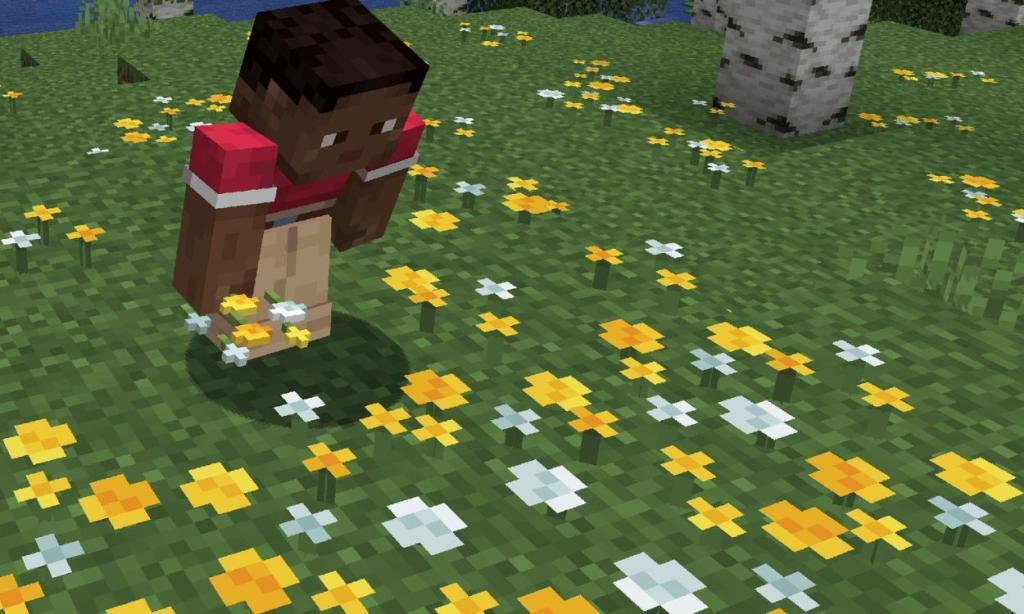
The Wildflowers are native to three biomes specifically Birch Forests, Old Growth Birch Forests, and the Meadows. Like any other flowers in Minecraft, you can break the Wildflowers with your hand and then pick them up.
The Wildflowers appear in a combination of yellow and white colors. Coming to the resemblance with Cherry Blossom petals, placing a single Wildflower will occupy one-fourth of the area of a grass block. Now, you can either place more Wildflowers or bonemeal the first one to increase the flower count on that specific block.
However, if a grass block is filled with Wildflowers, bonemealing it further will cause the flowers to break. This allows you to pick up the extra flowers that could not be accommodated in a single block.
Minecraft Wildflowers Uses
Wildflowers serve players in multiple ways during beta testing. Craft them into dyes for customizing armor, banners, and wool blocks. Place them on flower pots to decorate bases or trading halls. Combine with bone meal on grass for quick flower farming. Feed them to bees in apiaries to boost pollination and honey production. Use them in suspicious stew recipes for temporary buffs like speed or regeneration.
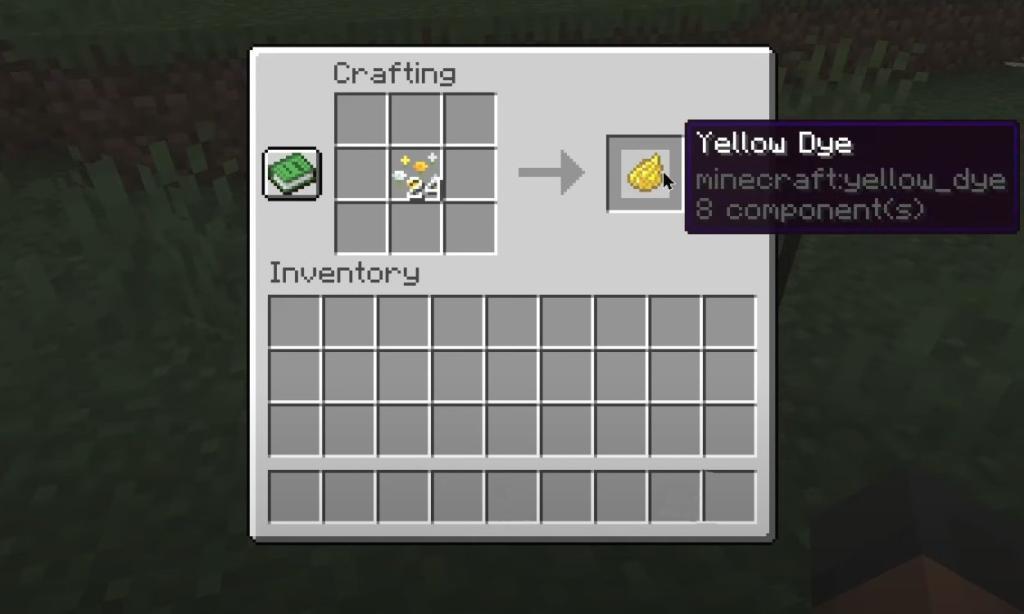
Currently, the Wildflowers have very minimal uses in Minecraft. Similar to Dandelions and Sunflowers, you can place the Wildflowers on the Crafting table to get yellow dye.
One interesting fact about these flowers is that they have a specific alignment once placed. This means that facing them in different directions while placing the flowers will change the way they are placed. You can use this technique while decorating the surroundings of your base.
Finally, similar to all the flowers in Minecraft, bees are attracted to Wildflowers and can interact with them. This will cause pollination; hence, more Wildflowers can be grown without using bonemeal.
You can breed bees with wildflowers, and if a sapling grows into a tree with a wildflower within a 2-block radius, there is a chance that the tree will generate a bee hive. However, it must be either a Birch, an Oak, or a Cherry sapling for the hive to be generated.
How to build an efficient wildflower farm in Minecraft
Minecraft wildflower farms automate flower generation using bonemeal and grass blocks for efficient collection. Compact designs suit survival worlds, while larger ones maximize output.
Simple Dispenser Farm
Build a basic setup with one mud or dirt block holding up to four wildflowers. Place a dispenser below facing upward, filled with bonemeal, triggered by observers detecting growth. Add a hopper and chest underneath for automatic collection, encasing in glass to monitor progress. Activate with a lever or redstone torch; yields steady supply without pistons.
Piston-Shifting Design
Mark a 12×11 (odd-numbered) grass field for optimal bonemeal spread. Line short sides with pistons pushing blocks inward, powered by observers and note blocks forming a clock. Position a dispenser below the center, fed by observers, to apply bonemeal repeatedly. Pistons shift soil to drop flowers into water streams or hoppers for collection.
Efficient Additions
Incorporate a composter fed by seeds or excess flowers to generate more bonemeal. Use sugarcane or observers on mud blocks to sustain the cycle automatically. Build in Birch or Meadow biomes for natural generation boosts; scale up to 15×15 for full coverage, though collection needs water flows.
Compact AFK wildflower farm design for Minecraft Java 1.21
Compact AFK wildflower farms in Minecraft Java 1.21 leverage dispensers, observers, and bonemeal for hands-off operation in small spaces like 3×3 areas.
Materials Needed
Gather 2 chests, 2 hoppers, 1 dispenser, 1 observer, 1 mud block, 4 wildflowers, glass panes (8+), a lever, redstone dust, and bonemeal supply. Optional: composter for bonemeal recycling from excess grass/seeds.
Step-by-Step Build
Place a double chest with a hopper feeding into it from behind. Top the hopper with a mud block and plant 4 wildflowers on it. Dig below the mud, add a dispenser facing up into it, then a hopper above the dispenser fed by another chest of bonemeal. Position an observer facing the mud block (detecting growth), connect with redstone dust, and add a lever for on/off. Surround with glass for visibility and protection.
Operation and Efficiency
Toggle the lever to start; the observer detects flower/grass growth, pulses the dispenser for bonemeal, and excess drops into the hopper for collection. Yields up to 9,000 wildflowers per hour at 6.5 flowers per bonemeal, fully AFK once running. Build in Birch or Meadow biomes; expand by stacking modules or adding a composter loop for sustainability.
